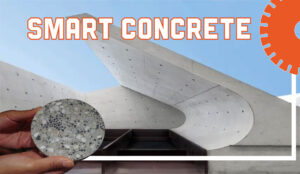

Concrete material is the cornerstone of modern construction, and for good reason. When embarking on any construction project, whether residential, commercial, or industrial, selecting the right materials is crucial. Concrete consistently emerges as the go-to choice, and its widespread use isn’t just a trend—it’s a testament to its unmatched qualities. In this article, we’ll explore why concrete material is the most used material in construction and why it should be your top choice for your next project.

Durability That Stands the Test of Time
One of the primary reasons concrete is the most used material in construction is its remarkable durability. Unlike other materials that may deteriorate or weaken over time, concrete actually strengthens as it ages. This durability makes it ideal for structures that need to withstand the elements, heavy loads, and daily wear and tear. When you choose concrete material for your construction project, you’re investing in a solution that will last for decades, if not centuries.

Versatility in Application
Concrete material isn’t just strong—it’s incredibly versatile. It can be molded into virtually any shape, allowing architects and builders to design with creativity and precision. Whether it’s for a sleek, modern office building or a rustic residential home, concrete adapts to the needs of the project. Its versatility also extends to its use in various construction techniques, including precast panels, poured concrete, and concrete blocks. This flexibility makes concrete material the preferred choice for a wide range of construction applications.

Affordability Without Compromising Quality
Another key factor contributing to the popularity of concrete material is its cost-effectiveness. Despite its strength and versatility, concrete remains one of the most affordable construction materials on the market. It’s widely available, and the processes involved in producing and transporting it are well-established, keeping costs low. Moreover, the long-term savings from reduced maintenance and repair costs make concrete material a wise financial investment.

Environmental Benefits of Concrete Material
In today’s construction industry, sustainability is a growing concern. Concrete material stands out as an environmentally friendly option, particularly when used in energy-efficient designs. Its thermal mass properties help regulate building temperatures, reducing the need for excessive heating and cooling. Additionally, concrete is often made with recycled materials and can be recycled at the end of its life cycle, further minimizing its environmental footprint.
Conclusion
Concrete material’s durability, versatility, affordability, and environmental benefits make it the most used material in construction. For anyone at the beginning of their construction journey, understanding why concrete is the preferred choice will help guide your decision-making process. Whether you’re planning a small renovation or a large-scale construction project, concrete material offers the reliability and performance you need to bring your vision to life.
Contact us today to discover how Helder’s Concrete Cutting Company can serve your project needs with unparalleled dedication and expertise.