
Table of Contents
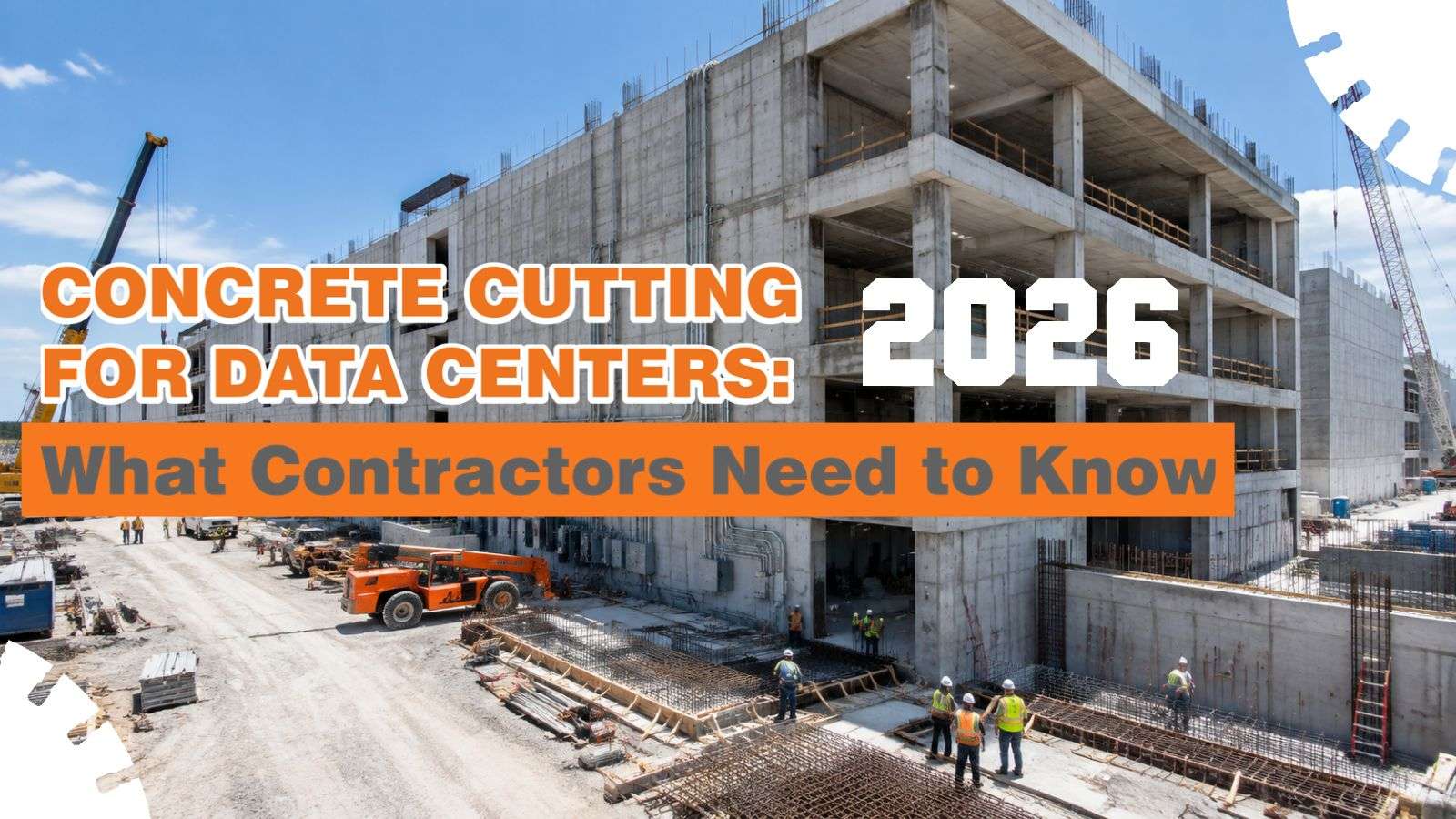
Data centers are going up across Florida faster than almost any other type of commercial building, and most people driving past one have no idea what’s inside those walls, or what it actually takes to cut into one safely. Here’s what contractors need to know about concrete cutting data centers Florida before taking on this kind of job.
Understanding the specifics of concrete cutting data centers Florida is crucial for safety and efficiency.
Concrete Cutting Data Centers Florida: A Growing Need
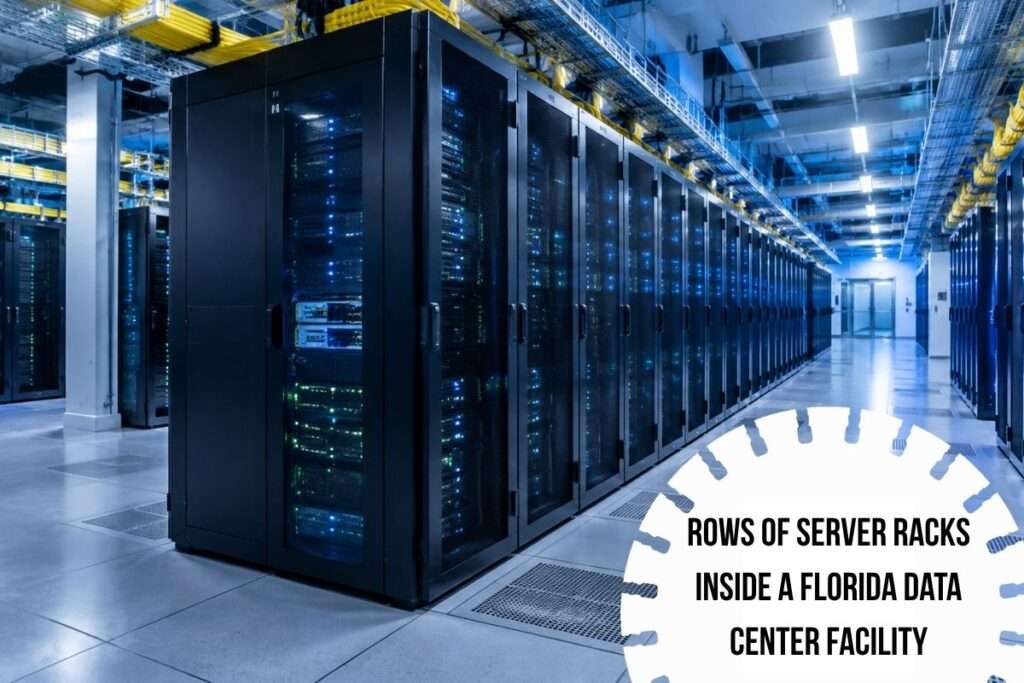
A data center is a massive, climate-controlled building packed with servers that store and process the data behind streaming, banking apps, and AI. Florida now has roughly a dozen large-scale data centers operating or under construction. Some new projects are enormous: the Fort Meade Campus in Polk County alone was approved as a $2.6 billion hyperscale campus, part of a proposed statewide pipeline pushing toward 1,900 megawatts of capacity.
Investing in technology for concrete cutting data centers Florida can lead to improved safety and reduced downtime. Learning about concrete cutting data centers Florida will help contractors navigate the complexities of these projects. Understanding concrete cutting data centers Florida regulations is essential for compliance and successful job execution.
Florida’s appeal comes down to population growth, available land, and existing power infrastructure. But the boom has hit real resistance. As of this fall, at least 19 Florida counties have instituted moratoriums on large-scale data centers, seven have banned them outright, and a dozen more are considering one.
Just this week, Palm Beach County, home to Mar-a-Lago, joined that list, voting 6-0 on September 24, 2026 to pause new applications for facilities using 50 megawatts or more for up to a year, citing concerns over water use, noise, and rising electric bills.
Large-scale data centers can consume up to 5 million gallons of water a day to cool their equipment, roughly the daily use of 50,000 people, which is the core reason so many counties are pumping the brakes.
In response, Governor Ron DeSantis signed the Florida Hyperscale Data Center Act in May 2026, a law that classifies any facility using 50+ megawatts at peak demand as “large-scale,” blocks utilities from passing those infrastructure costs onto residential ratepayers, and creates a new permitting framework to protect local aquifers.
Understanding the nuances of Concrete Cutting for Data Centers is vital for any contractor involved in these projects.
Why These Job Sites Are a Different Kind of Cutting Job
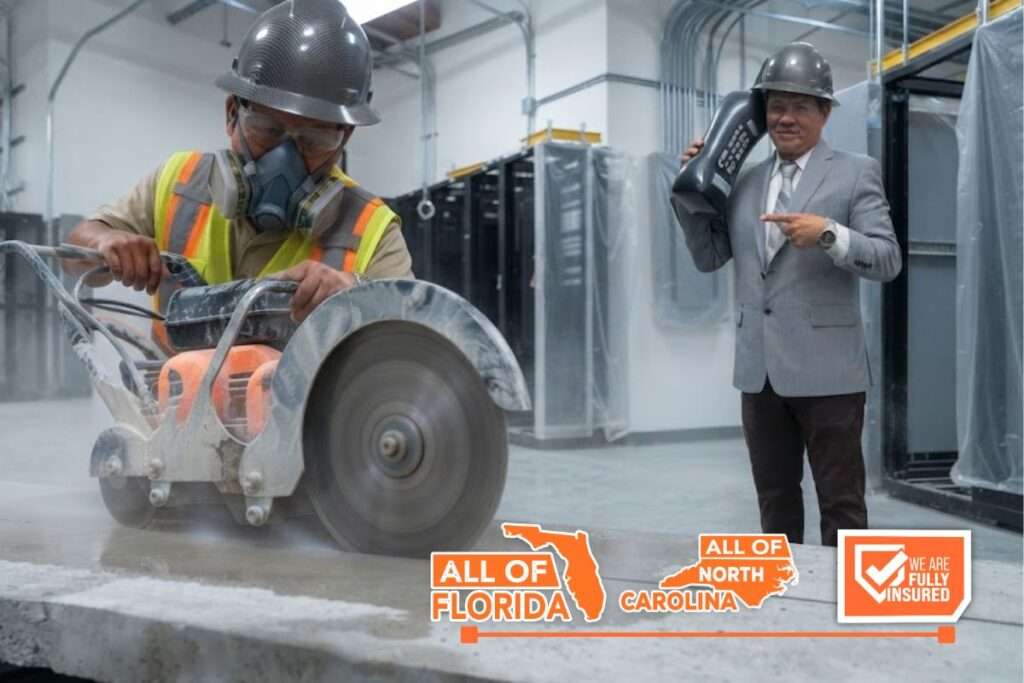
For a concrete cutting crew, a data center site isn’t like a typical commercial job. These buildings are built around extremely dense underground and in-slab electrical, fiber, and cooling infrastructure, so every cut or core carries a higher risk of hitting something critical.
Ultimately, mastery of concrete cutting data centers Florida leads to enhanced operational efficiency and client satisfaction.
Proper execution of Concrete Cutting for Data Centers can enhance the overall efficiency of the facility’s operations.
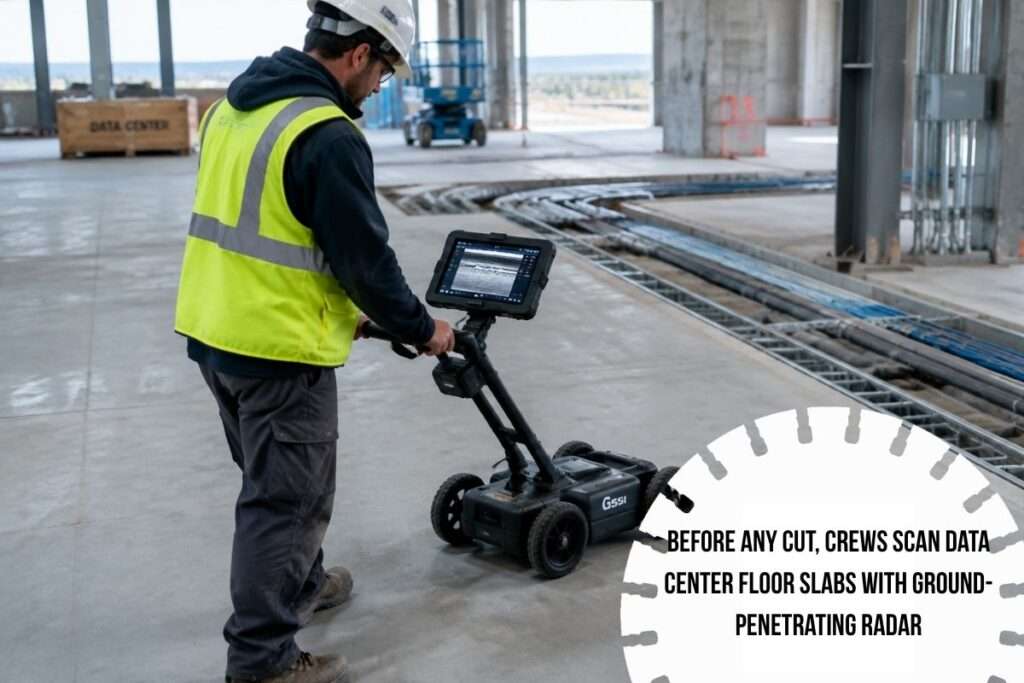
Before any blade touches concrete, crews are expected to scan the area for embedded services and reinforcement first. This is not just an extra step, but a mandatory move before choosing equipment.
Contractors must emphasize the importance of concrete cutting data centers Florida in their training programs to ensure safety.
Industry safety codes require confirming the cut location, scanning and marking hidden services, identifying reinforcement, and only then selecting the right saw or drill for the job.
The right tools and techniques for concrete cutting data centers Florida can make all the difference in project outcomes.
Effective Concrete Cutting for Data Centers can significantly reduce downtime and prevent costly mistakes.
Successful concrete cutting data centers Florida projects rely on precise execution and careful planning from contractors.
When planning Concrete Cutting for Data Centers, it’s crucial to account for all embedded systems to ensure safety. Contractors should prioritize training in Concrete Cutting for Data Centers to handle the unique challenges these sites present.
Investing in proper education on Concrete Cutting for Data Centers can lead to more efficient project completion.
What Contractors Actually Need to Know
Concrete Cutting for Data Centers requires meticulous planning to avoid damaging critical systems. Three things separate data center cutting jobs from a standard slab: precision, coordination, and documentation.
These facilities run continuously, so an unplanned outage from a severed cable isn’t just a repair bill; it can mean real financial losses for the client. That raises the stakes on every cut.
Crews also need dust and water management that meets the facility’s cleanliness standards. Slurry or airborne dust near sensitive equipment and electrical panels is a genuine hazard, not just a cleanup issue, as outlined in standard concrete core drilling safety procedures.
Because most of these builds are fast-tracked, multi-million-dollar projects racing to meet demand while regulations tighten, contractors need to work from current as-built drawings rather than assumptions. Confirming exact depth and angle before every core is essential.
For your next project involving concrete cutting data centers Florida, choose a contractor with proven expertise in this area. Understanding industry standards for Concrete Cutting for Data Centers is essential for compliance and safety. For successful execution of Concrete Cutting for Data Centers, choose a contractor with proven experience in the field.
Frequently Asked Questions
What is a data center, in simple terms?
It’s a large facility built to house servers and networking equipment that store and process digital data, essentially the physical infrastructure behind the internet and cloud computing.
Why is Florida building so many data centers right now, despite the pushback?
Population growth, available land, and existing power infrastructure have made Florida attractive to developers, even as nearly 20 counties have paused or banned large-scale projects over water and power concerns.
What makes cutting concrete at a data center different?
The density of embedded electrical, fiber, and cooling infrastructure inside the slabs means every cut requires scanning for hidden services first, tighter precision, and strict dust and water control near sensitive equipment.
What happens if a contractor hits a cable or pipe by mistake?
Beyond the immediate safety risk, an unplanned outage at a live data center can cause real financial losses for the client, which is why scanning and engineering drawings come before any cut, not after.
If your next project involves concrete cutting or core drilling at a data center or mission-critical facility, Helder’s Concrete Cutting Company has the scanning process and equipment to get it right the first time, across Florida and North Carolina.