

Can you imagine concrete that allows light to pass through?
Translucent concrete in modern construction is a groundbreaking that transforms spaces by allowing natural light to pass through its panels, creating stunning visual effects while enhancing energy efficiency. But where does this technology come from, and how is it being used in real-world applications?
What is Translucent Concrete and Who Created It?
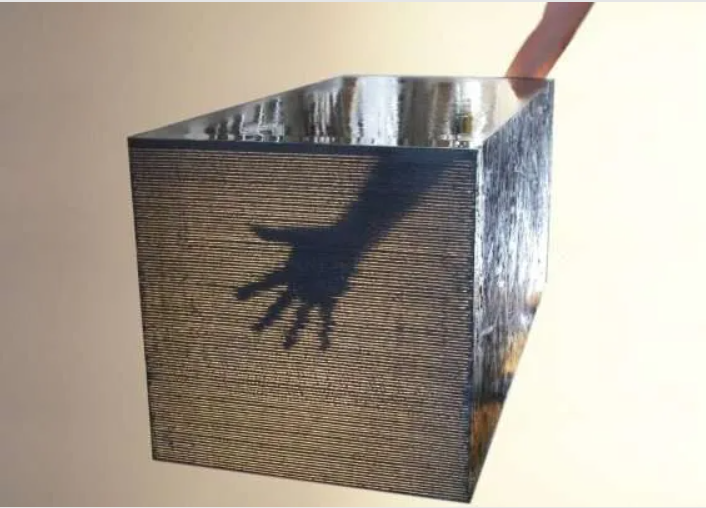
Translucent concrete is a material composed of a mixture of cement and optical fibers or resins that enable light transmission. The first version was developed by Hungarian architect Áron Losonczi in 2001, who introduced Litracon (Light Transmitting Concrete). However, Mexico has also contributed its own innovations, such as the translucent concrete developed by Joel Sosa Gutiérrez y Sergio Omar Galván, which utilizes different materials and is more accessible for the construction industry.

Applications in Architectural Projects
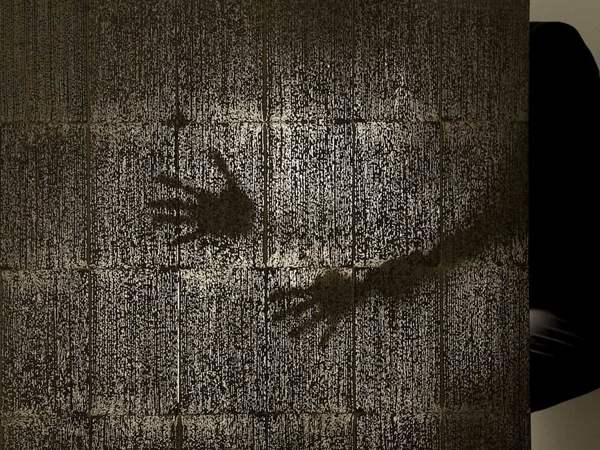
Translucent concrete is not just an aesthetic choice but also a functional one. Its ability to transmit light transforms facades, walls, and other architectural elements, creating brighter and more dynamic environments.
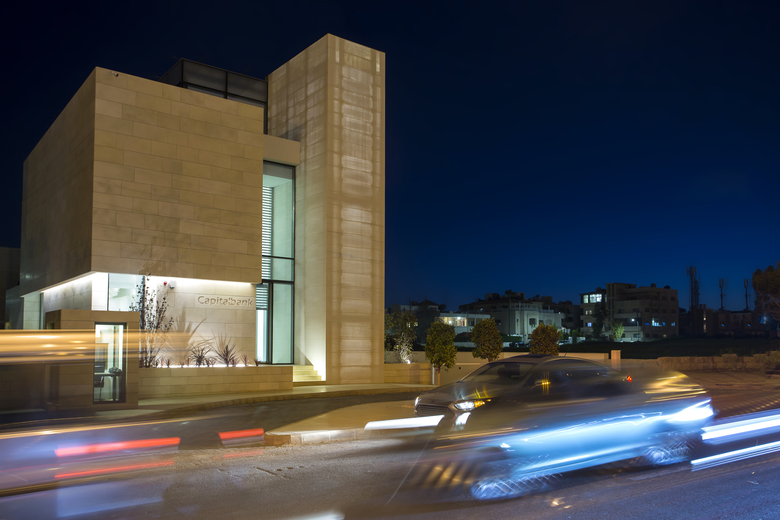
Capital Bank in Amman, Jordan
In the VIP branch of this bank, translucent concrete panels allow natural light to illuminate the interior during the day, while at night, the facade emits a soft, diffused glow, creating a sleek and modern effect.
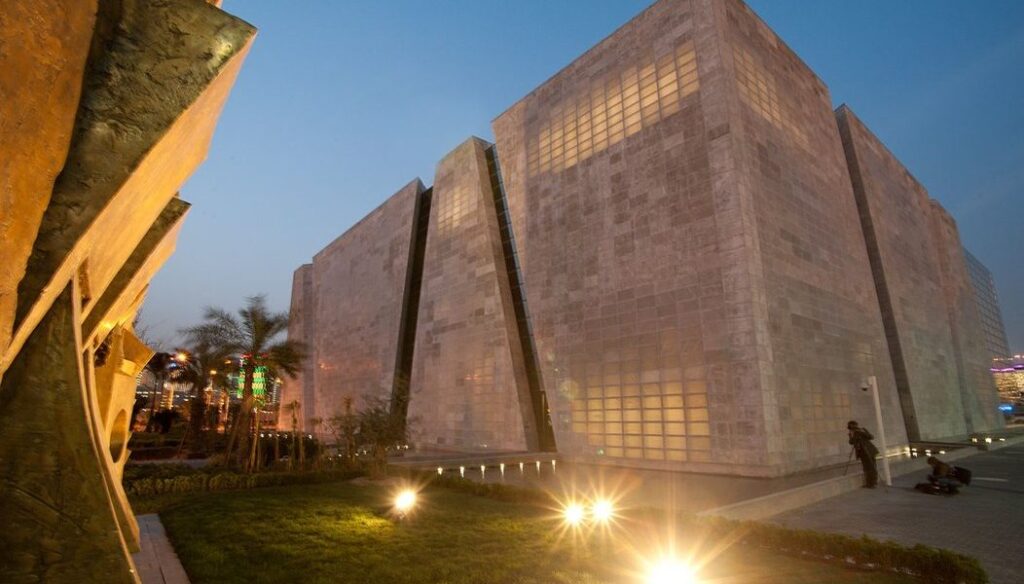
Italy Pavilion at Expo Shanghai 2010
Designed by Giampaolo Imbrighi, this pavilion integrated translucent concrete to experiment with lighting effects, demonstrating how technology can enhance architectural aesthetics.
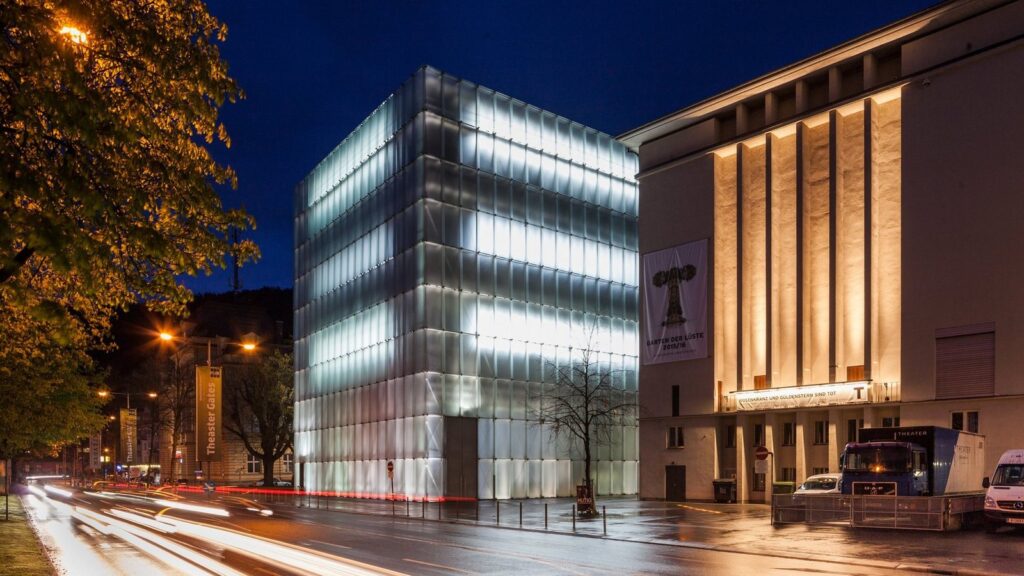
Kunsthaus Bregenz (Art Museum), Austria
Designed by Swiss architect Peter Zumthor, this museum utilizes translucent concrete to achieve uniform lighting inside, enhancing the visitor experience.
Impact on Sustainability and Energy Efficiency
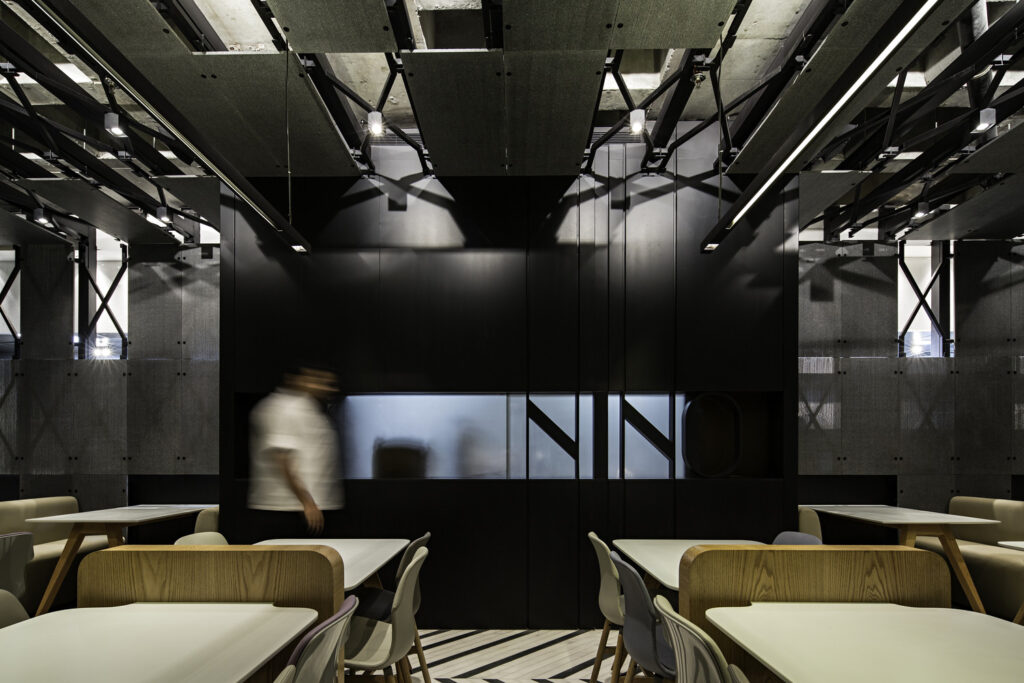
Translucent concrete is not just a visual innovation; it is also an energy-efficient solution. By maximizing natural light, it reduces the need for artificial lighting, contributing to more sustainable building designs.
How Does Helder’s Concrete Cutting Company Fit Into This Revolution?
While translucent concrete is an innovative technology, it also requires precise cutting and adjustments for its installation in architectural projects. Helder’s Concrete Cutting Company stays up to date with new and innovative materials like this one, and we have the machinery and skills to cut and adapt translucent concrete with precision, ensuring it integrates perfectly into your project.
Need help with a project? Contact us.