

Here we explain it step by step, with images and practical tips.
Cutting concrete can seem intimidating, but with the right tools and precise technique, it’s entirely achievable. This short and engaging blog guides you through the essential steps for clean, safe, and efficient cuts.
1. Choose the Appropriate Cutting Technique
Not all concrete jobs require the same approach. Selecting the right cutting method ensures safety, efficiency, and cleaner results.
- Angle Grinder: Ideal for shallow cuts, minor repairs, or trimming small blocks.
- Circular Saw with a Diamond Blade: Best for deeper, straight, and precise cuts on slabs, driveways, patios, or walls.
- Diamond Wire Saw: Specialized equipment used for large, thick, or reinforced structures such as beams, columns, and load-bearing walls.

2. Prepare the Work Area
Preparation is key to achieving a clean, accurate cut.
Before cutting, make sure to:
- Mark the cutting line clearly using chalk, a marker, or a laser guide
- Remove dirt, dust, rocks, or loose debris from the surface
- Wear full protective equipment:
- Safety glasses
- Gloves
- Face mask or respirator
- Ear protection

3. Make the Cut with Precision
Professional-level cutting requires steady technique and proper blade protection.
- Begin with a shallow guide cut—this helps the blade follow a straight path
- Maintain a steady, controlled speed instead of forcing the tool
- Always cool the blade with water to prevent overheating, warping, or cracking
🔥 What happens when you don’t use water?
Overheated blades become damaged, wear down faster, and increase the risk of dangerous kickback.

4. Final Cleaning and Inspection
Once the cut is complete:
- Remove dust, slurry, and debris from the area
- Inspect the cut to ensure it is straight, even, and free of chipping
- Make additional adjustments if needed
- Clean and store all tools properly to extend their lifespan
If you have a maintenance video for your team or customers, you can link it here. Proper tool care is essential for long-term performance and safety.

📸 Visual examples
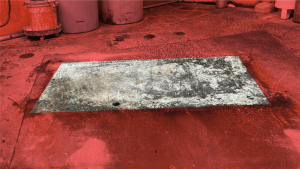
Here are some pictures of a well-executed, piece-by-piece concrete cutting job: