


Table of Contents
Have you noticed a white powder that keeps appearing on your concrete slab? Many property owners clean it and move on, without realizing that this sign may be indicating moisture trapped beneath the concrete. Efflorescence in concrete is not always serious, but when it keeps returning or appears near cracks and edges, it can be the first warning that your slab needs professional attention. Efflorescence in concrete can indicate underlying issues that must be addressed promptly.
What is efflorescence in concrete?
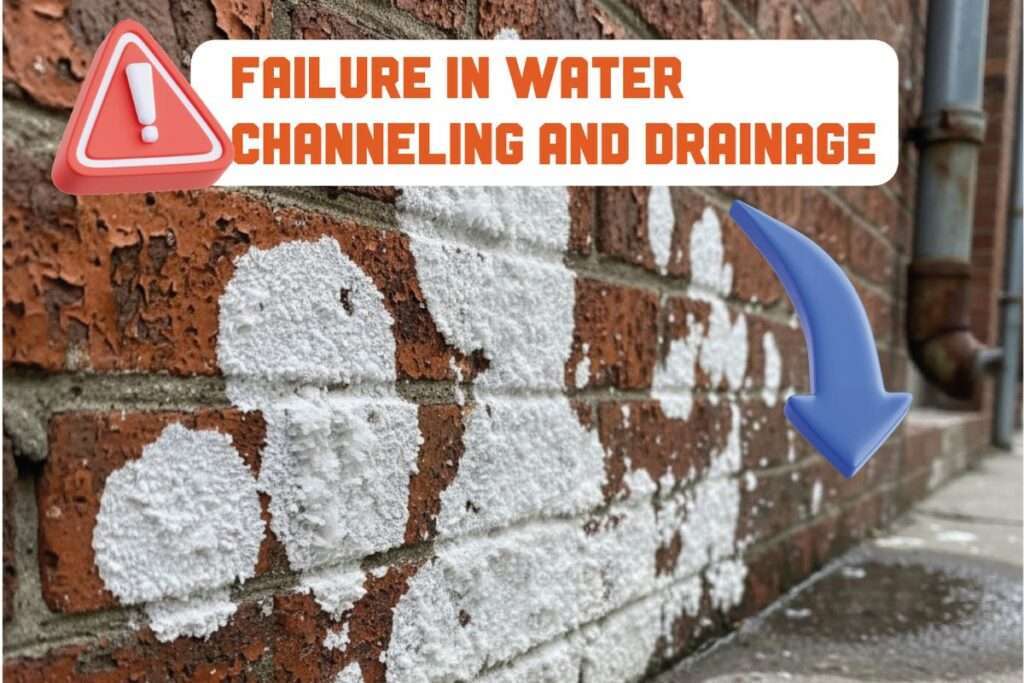
Efflorescence is a white residue that appears when water moves through concrete, dissolves internal mineral salts, and then evaporates, leaving those salts on the surface.
In simple terms:
👉 water is passing through the slab.
Efflorescence in concrete is a common issue in many structures.
Understanding efflorescence in concrete helps in identifying moisture problems early.
This can occur in both residential and commercial concrete, especially in floors, parking areas, sidewalks, and structural slabs.
Always take efflorescence in concrete seriously as it can lead to further complications.
When does efflorescence become a problem?
Efflorescence becomes a warning sign when it:
- Returns after being cleaned
- Appears along crack lines
- Concentrates in specific areas
- Appears near walls, columns, or slab edges
In these cases, it usually indicates:
- Vapor barrier failures
- Drainage problems beneath the slab
- Hidden cracks that allow constant moisture migration
Ignoring efflorescence in concrete can result in more severe structural issues.
What happens if it is ignored?
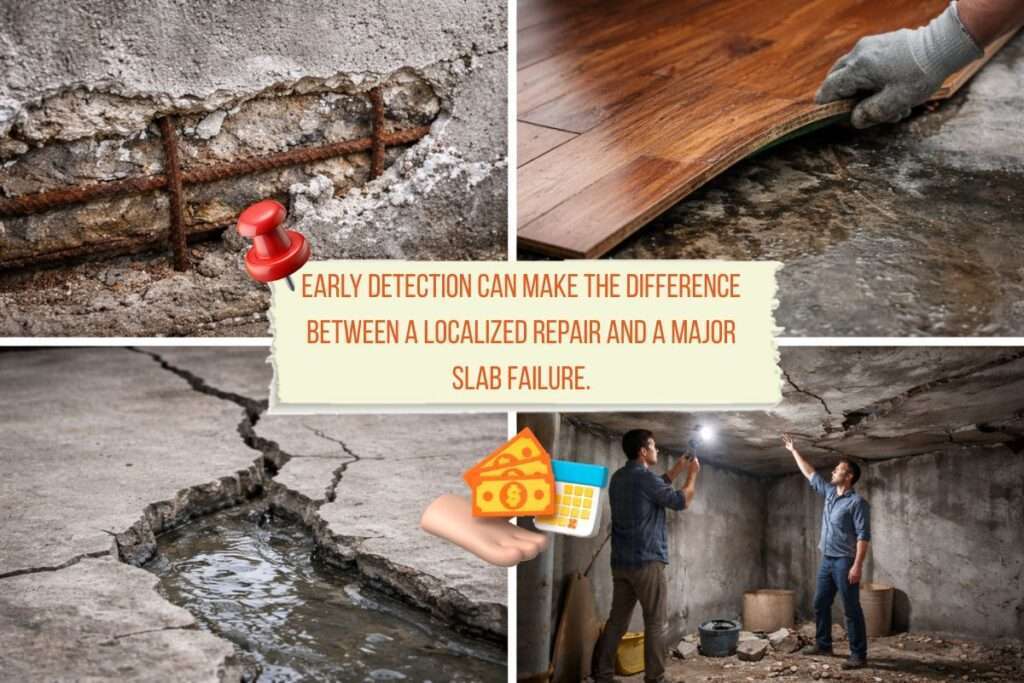
Although efflorescence looks superficial, the moisture that causes it can lead to:
- Concrete weakening
- Corrosion of internal steel (rebar)
- Lifting of floors or surface coverings
- Structural cracking
- Much more expensive repairs in the long term
What can a regular person do when efflorescence appears?
When efflorescence is mild, a homeowner can try basic solutions such as:
- Cleaning with a stiff brush and water
- Using white vinegar or mild concrete cleaners
- Applying concrete sealers
- Using surface waterproofing products
- Checking exterior drainage and soil slopes
- Sealing small visible cracks
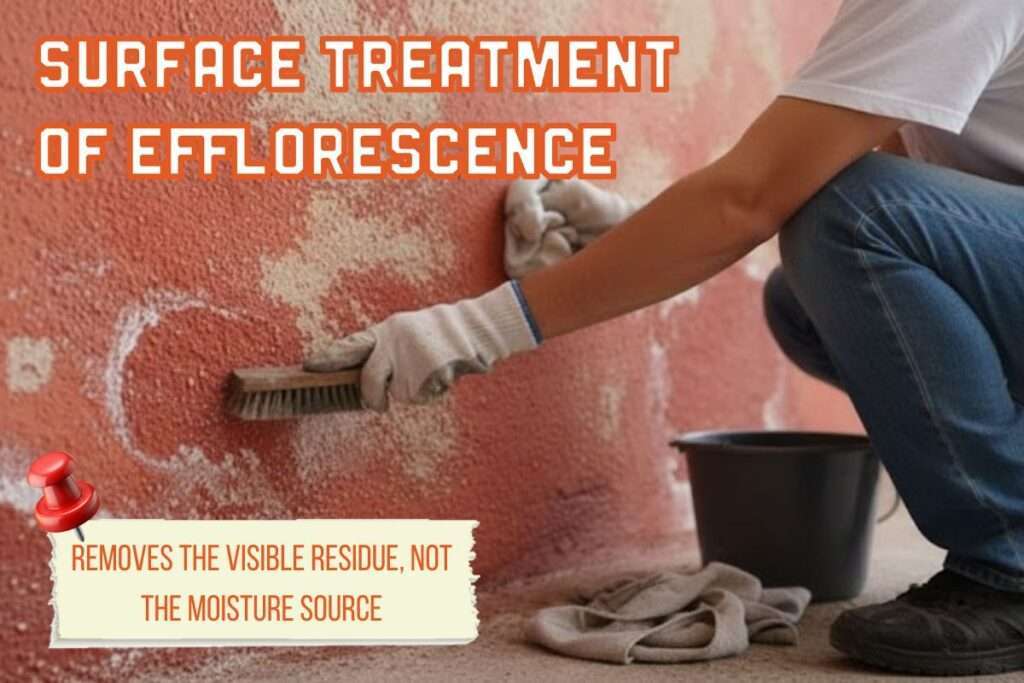
These actions can remove the visible residue, but if moisture continues coming from inside or beneath the slab, the problem will return.
When is professional concrete cutting necessary?
When efflorescence keeps returning, the problem is no longer superficial:
moisture is migrating from inside or beneath the concrete.
In these cases, cleaning and sealing are no longer sufficient.
It becomes necessary to access the affected area in a controlled way, without unnecessary demolition.
This is where professional services are used, such as:
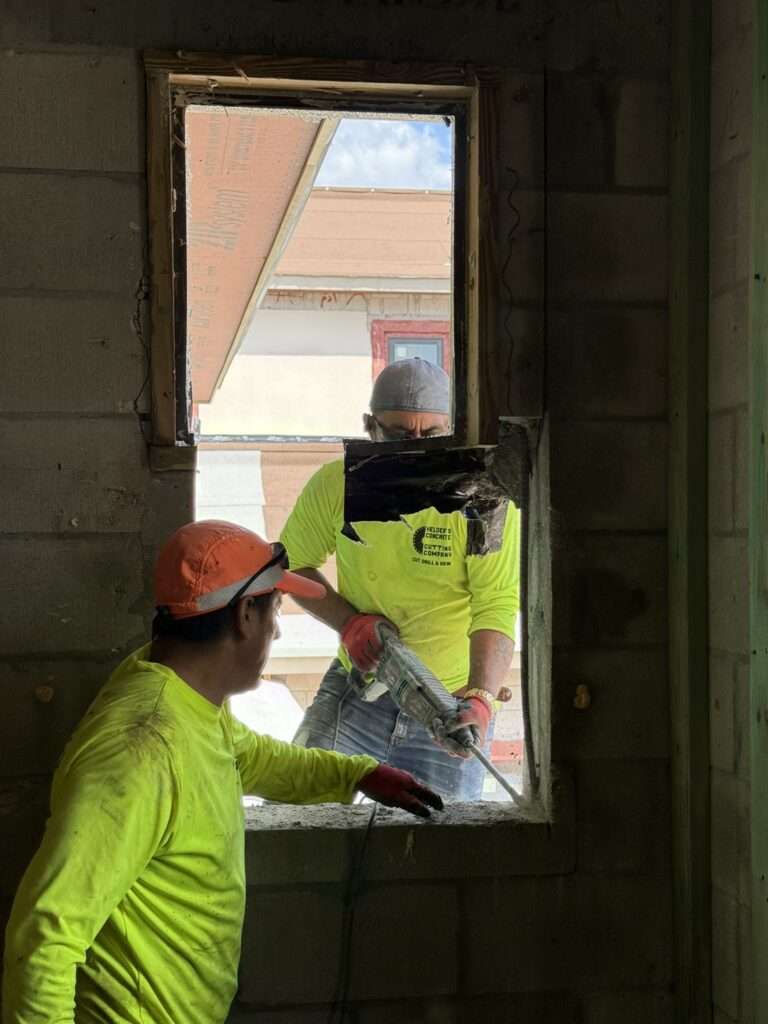
- Slab sawing → precise slab opening
- Core drilling → inspection, drainage, or technical access
- Hand sawing → sensitive or limited-access areas
Addressing efflorescence in concrete through these solutions can help mitigate long-term problems.
These methods are not used to “remove efflorescence”;
they are used to correct the real cause of the problem:
trapped moisture, vapor barrier failure, defective drainage, or underground water infiltration.
Efflorescence is an early warning sign.
Listening to that signal in time can save money, time, and structural problems.
If the white powder keeps coming back, your slab is asking for attention.
Professional help is advisable when dealing with persistent efflorescence in concrete.
Recognizing efflorescence in concrete can save you from costly repairs.
Efflorescence in concrete is a sign that you should take action before it’s too late.