

Avoid Surprises, Save Time, and Cut Like a Pro.
At Helder’s Concrete Cutting Company in Florida, we know preparation is everything. Whether you’re cutting concrete for a small home remodel or a large commercial build, asking the right questions can make or break your job. So before you fire up the saw, check out these 5 essential questions to help you work smarter, safer, and faster.
1. Is This a Commercial or Residential Project?
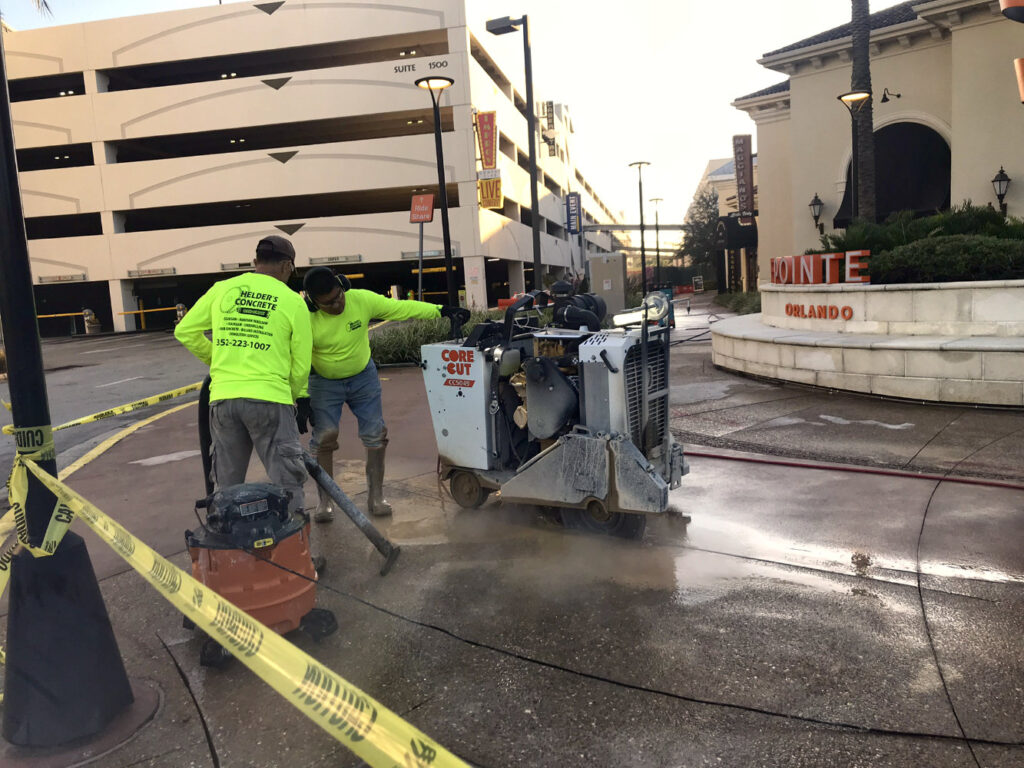
Commercial sites usually mean larger scale, heavier foot traffic, and stricter regulations. That might require protective barriers, unusual work hours, or additional permits. On the other hand, residential jobs, often involve tighter access and a personal touch.
Have you ever had to work late nights on a commercial job to avoid interruptions?
2. What Type of Cut Is Needed?
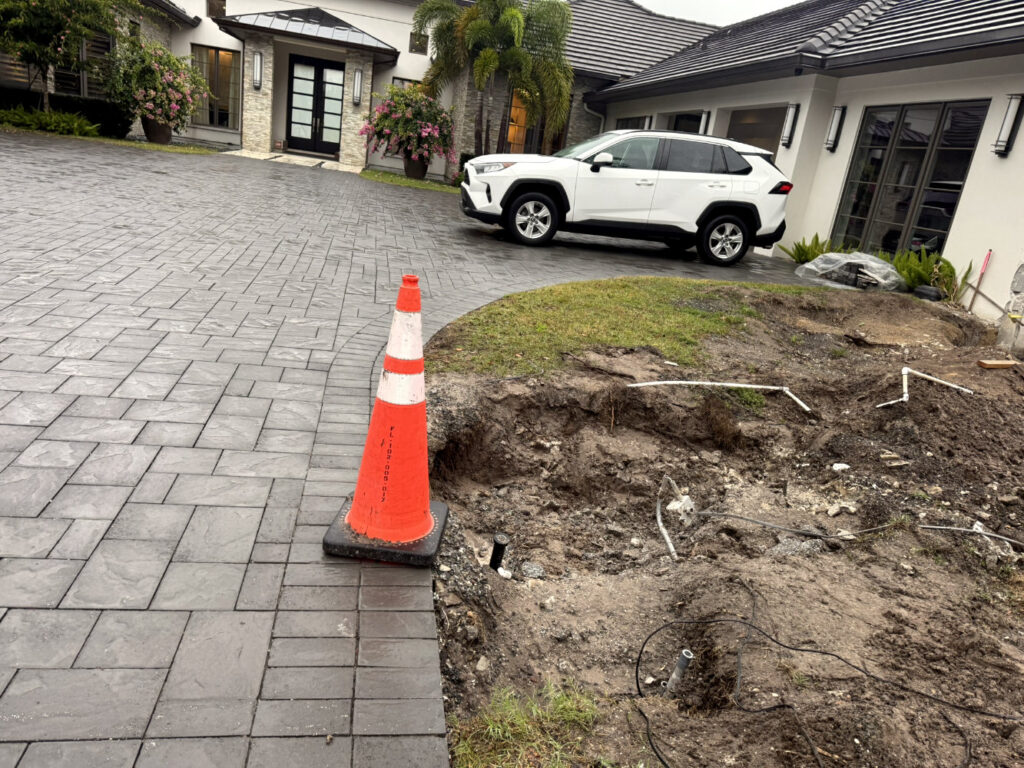
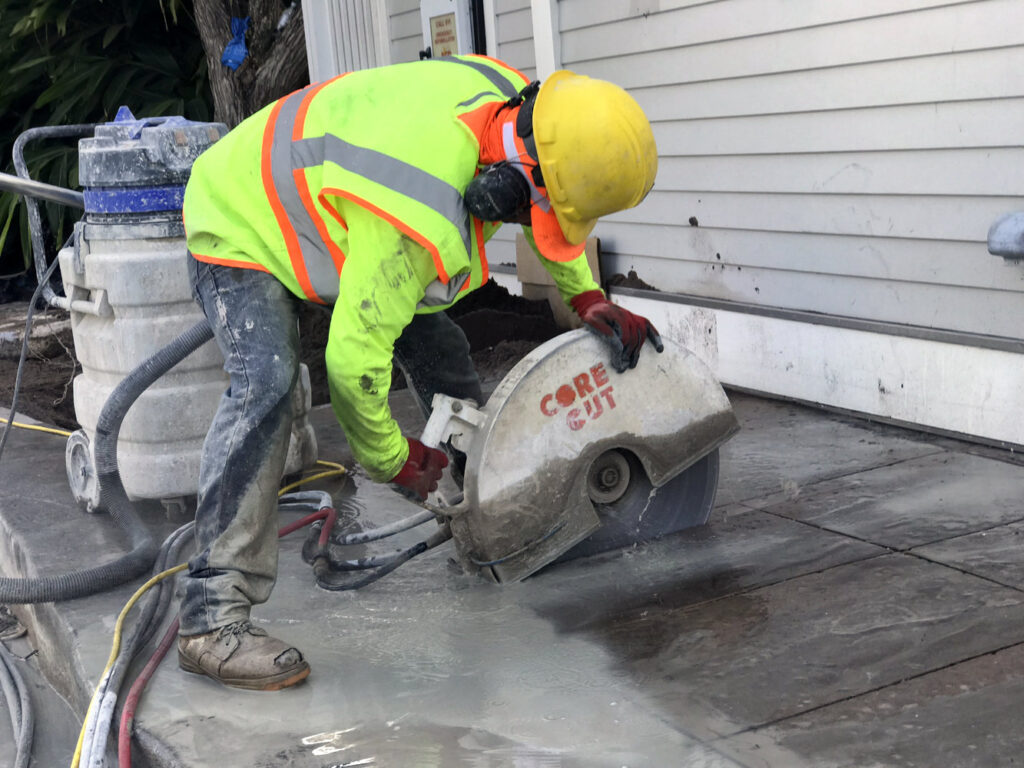
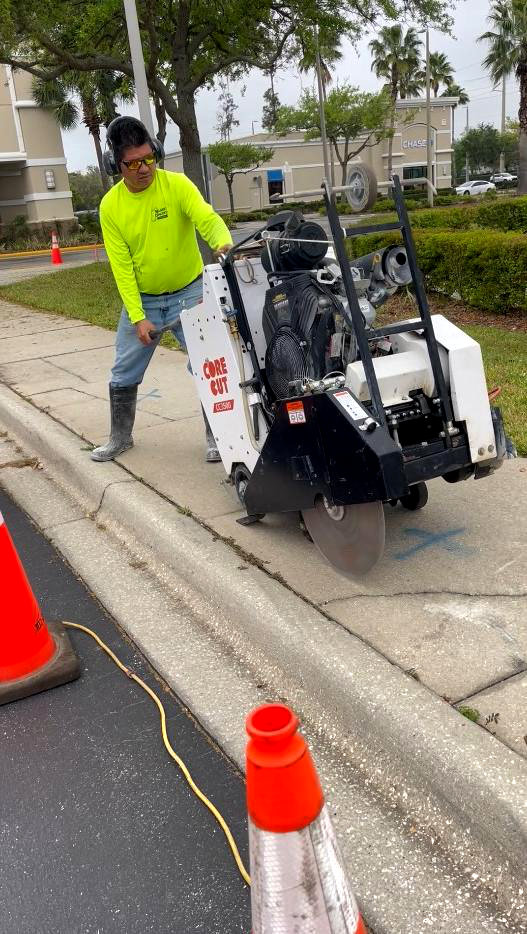
There’s a big difference between cutting a basic slab and cutting a trench for plumbing or utilities. What Type of Cut, PROJECTS
- Standard floor cuts: 4–6 inches thick, measured in square feet.
- Trench cuts: 18–24 inches deep and measured by linear feet; these take more time and cost more.
What’s the deepest cut you’ve ever tackled on the job?
3. How Far Is the Work Area From the Parking Spot?
Long distances between your truck and the cutting area mean more time spent hauling machines and materials. You should also check if you have to climb stairs or if access is difficult in any way. That adds labor, slows setup, and could impact your quote.
Would you rather haul gear across a rooftop or up three flights of stairs?
4. Are There Water or Power Lines Beneath the Surface?
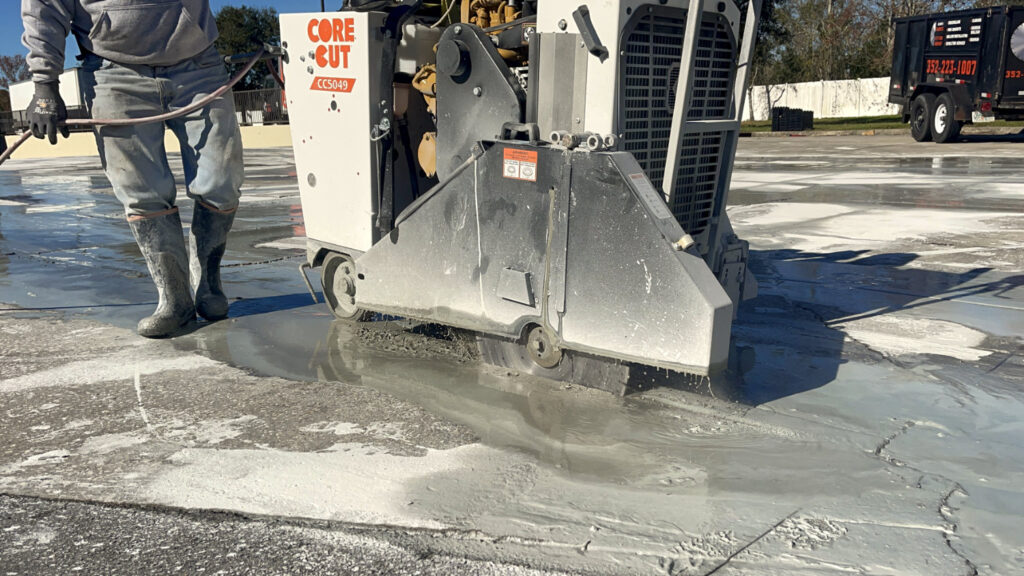
Most concrete cutting requires water for dust control. Some tools need electricity too. You’ll want to locate all water and power lines ahead of time, especially if the cut is deep.
Ever accidentally hit a line while cutting? What did you learn from it?
5. Is There Enough Space for Our Machines?
Not all job sites have room for large saws or vacuums. Small doorways, stairwells, or cluttered rooms can limit which tools you can use.
What’s your go-to tool when working in tight corners or narrow hallways?
Bonus Pro Tip: Always Visit the Site if You Can
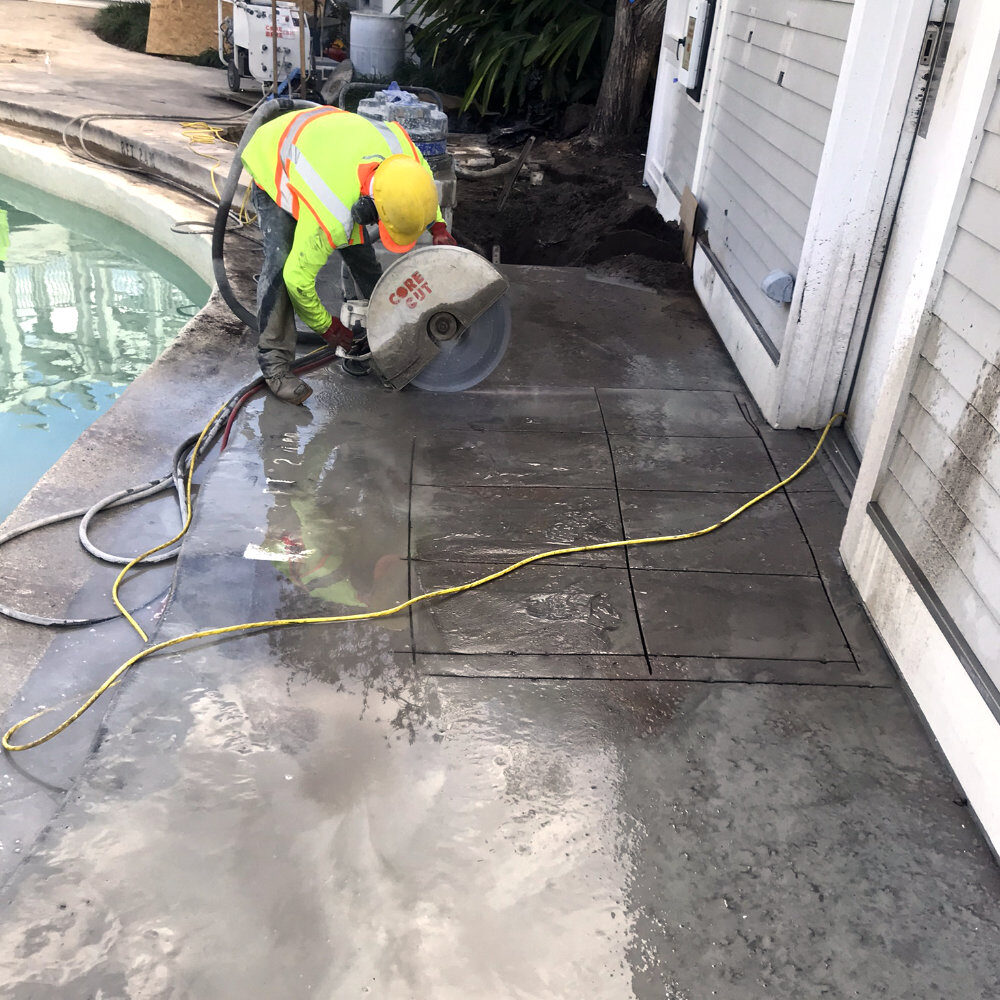
Seeing the job in person helps you give an accurate quote, plan your tools, and avoid last-minute surprises.
Final Thoughts from Helder’s Team
At Helder’s Concrete Cutting Company, we pride ourselves on asking the right questions before we start. From slab sawing and core drilling to trench cutting and demolition; we do it all with precision, speed, and safety.
Serving all of Florida, we’re here to cut concrete and raise standards.
Ready for a Quote?
Contact us today at www.heldersconcretecutting.com or call (833) HELDER1. Let’s make your next job clean, safe, and stress-free.