

Table of Contents
In fact, 3D printing constructions are much older than you think. In 1939, the first “wall-building machine” was created by inventor William E. Urschel. It is essential to grasp how construction works with 3D printing technology for future developments in the field. Understanding how construction works with 3D printing technology will shape the future of building.
To truly appreciate the impact of 3D printing in construction, we must examine its evolution since its inception. The technology has transformed from being a mere concept to a practical solution for modern construction challenges. With advancements in materials and techniques, 3D printing now allows for complex designs that were once deemed impossible using traditional methods.
This innovation has not only influenced residential buildings but also commercial structures, bridges, and even temporary installations. The possibilities are vast, and ongoing research continues to uncover new applications for this technology. Furthermore, 3D printing can facilitate rapid prototyping, allowing architects and engineers to visualize their ideas in real-time, ultimately leading to more efficient project timelines.
It worked with a system that automatically squeezed and compacted the concrete pressing it between rotating discs, joining each layer as the material was ejected. This laid the foundations for what we know today as additive manufacturing.
By recognizing how construction works with 3D printing technology, we can innovate and enhance traditional building methods.
This method of construction also addresses some of the critical issues faced by the construction industry today, such as labor shortages and the need for sustainable building practices. By utilizing 3D printing, we can reduce the overall labor required on-site, allowing skilled workers to focus on more specialized tasks. Additionally, the reduced waste produced by the printing process aligns with global sustainability goals, making it an attractive option for environmentally-conscious builders.
Moreover, the versatility of 3D printing allows for customization without significant cost increases. Traditional construction methods often necessitate a one-size-fits-all approach where customization can lead to increased expenses and extended timelines. In contrast, with 3D printing, unique designs can be rendered at no additional cost, paving the way for truly personalized structures.
How does a 3D Concrete Printer build a home?
As we progress through this guide, we’ll dive deeper into each stage, examining how 3D printing technology is not just reshaping construction practices but also redefining our approach to urban planning and design. The integration of these technologies has the potential to influence not only how we build but how we envision our cities and communities of the future.
Exploring how construction works with 3D printing technology reveals a revolutionary approach to building that integrates design and efficiency.
Additionally, designing with 3D printing in mind encourages architects to think outside conventional parameters. The freedom to create complex geometries not only enhances aesthetic appeal but also contributes to structural integrity. For instance, the use of organic shapes can lead to improved aerodynamics in buildings located in high-wind areas, showcasing how design and functionality can coexist harmoniously.
In simple terms, it works by “stacking” layers of the material on top of each other to build the structure without molds. As a result, it is like assembling a chocolate bar, but with greater precision.
Because of this precision, the process reduces costs and optimizes the use of materials. It also generates no direct waste and requires less labor.
For larger projects, 3D printing can significantly expedite the construction timeline. By reducing the time needed for material preparation and assembly, construction teams can shift their focus to other critical aspects of the project, such as ensuring compliance with safety regulations and enhancing the building’s energy efficiency. This streamlined approach not only benefits the construction teams but also the clients who desire timely project completion.
From vision to reality
Furthermore, the printing technologies themselves are continually improving, with advancements in materials that expand the range of structures that can be printed. For example, researchers are exploring biodegradable materials and composites that can further enhance the sustainability of the construction process. This innovation opens doors for constructing buildings that are not only durable but also environmentally friendly.
1. Design:
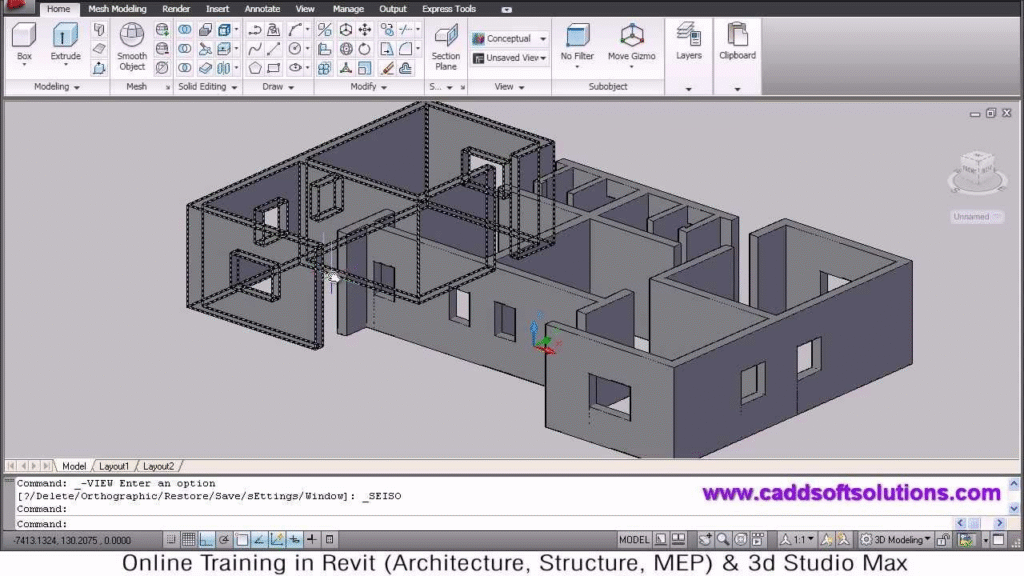
First, a digital 3D model of the building, or CAD (Computer-Aided Design) model, is created. And yes, that’s where the well-known name AutoCAD comes from.
2. Slicing (Cutting in layers):
Once the design is ready, it is divided into horizontal layers through a process called “slicing.” Each of these layers is an instruction on where and how much material to place. Like a cake that has layers.
As curing techniques improve, we see the potential for faster drying times and enhanced strength. New technologies are emerging that allow for the assessment of material strength in real-time, ensuring that the structure meets safety standards without unnecessary delays. These innovations are crucial for the future of construction, especially in regions prone to natural disasters where building resilience is paramount.
3. Printing
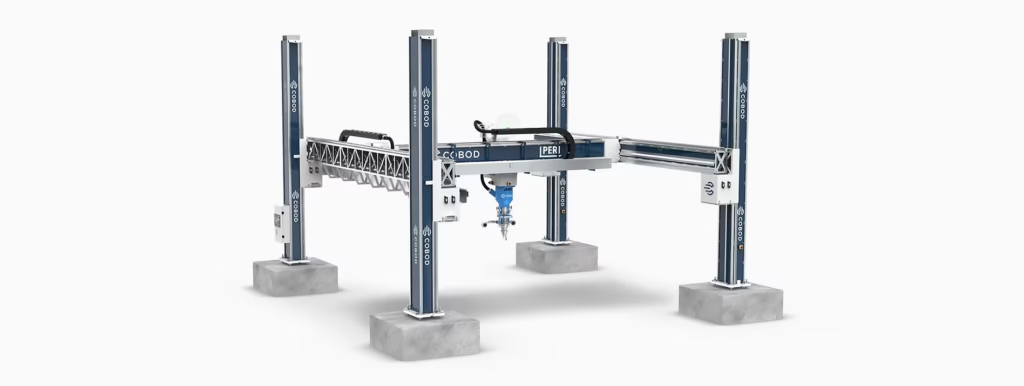
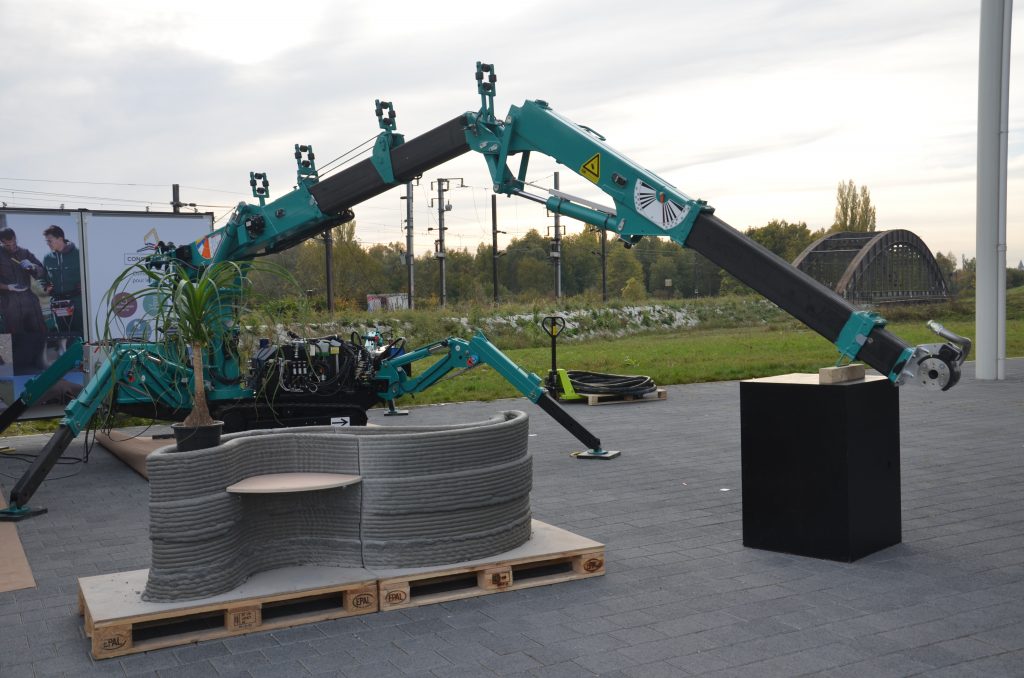
At this stage, the 3D concrete printer deposits the material layer by layer, guided by the instructions in the slicing file. There are two main systems: a gantry system, ideal for large buildings, with a fixed structure to cover large areas, and a more versatile and compact robotic arm system, perfect for small projects or projects with complex geometries.
Gantry system:
Robotic arm:
Moreover, some companies are experimenting with smart technologies that integrate sensors into the 3D printing process. These sensors can monitor structural integrity over time, providing valuable data that can inform maintenance decisions and enhance the longevity of buildings. This proactive approach to building management represents a shift towards more sustainable and efficient practices in the construction industry.
In summary, the combination of 3D printing technology with construction not only addresses current industry challenges but also opens avenues for innovation and growth. As we continue to explore these advancements, it is essential to recognize the broader implications they hold for our communities and future urban landscapes. The potential for customization, efficiency, and sustainability aligns seamlessly with the evolving needs of society.
Ultimately, as construction works with 3D printing technology gains popularity, it is crucial for industry stakeholders to stay informed and adaptable. Embracing these changes will not only elevate construction practices but also contribute to the creation of smart, sustainable cities that prioritize the well-being of their inhabitants.
4. Curing or Hardening:
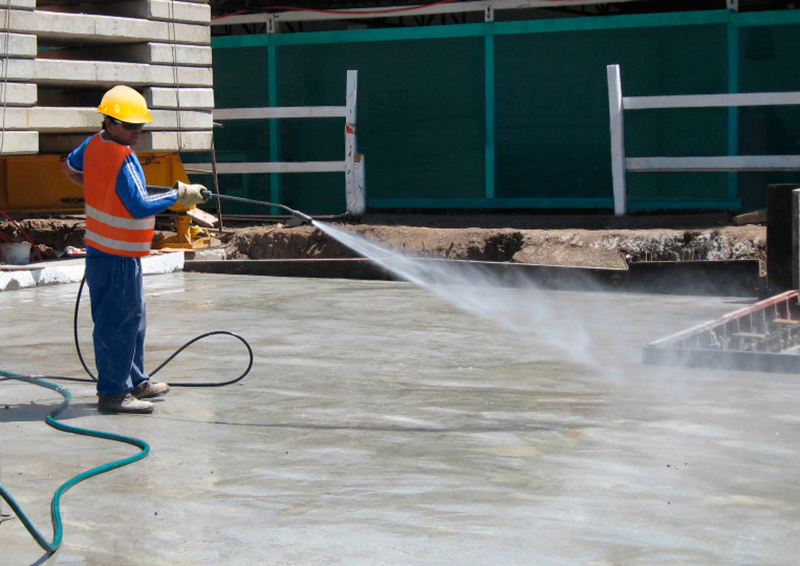
Once all the layers are finished, a manual curing process is carried out to ensure the strength and stability of the structure.
While this step is essential for concrete, some experimental projects with other materials explore different methods for achieving strength.
5. Finish:
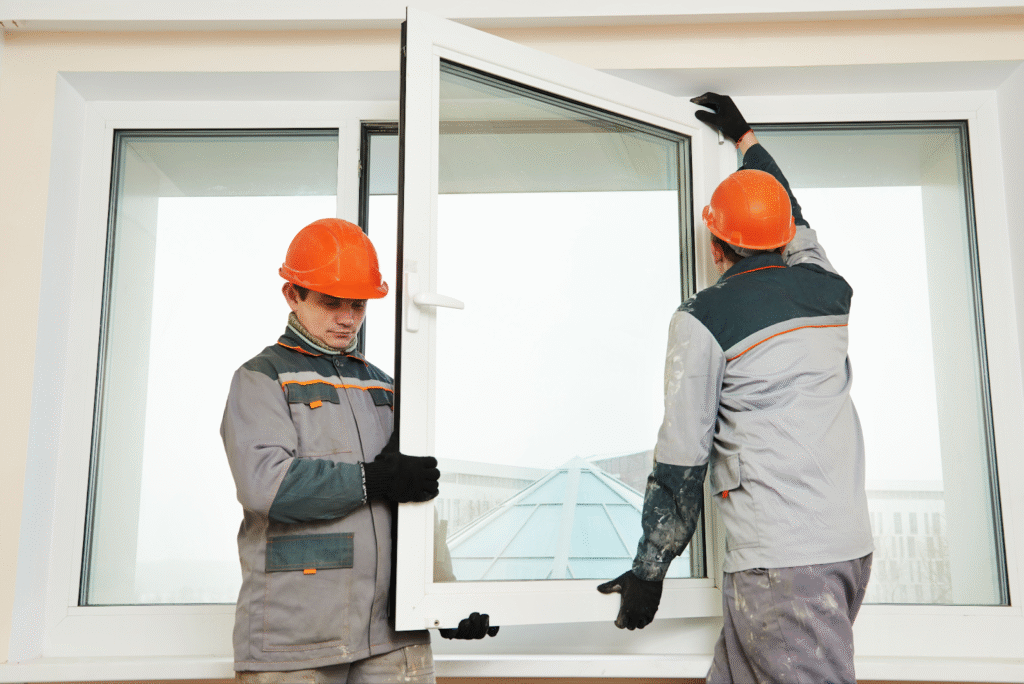
This phase is the same as traditional construction: surfaces are smoothed, windows and doors are installed, and other architectural details are added to make the house habitable.
Conclusion
This technology streamlines the construction process and reduces material waste and costs. However, it still has some limitations, such as project size and specialized professionals.
In addition, the initial investment is high. If you want to know the actual costs compared to other construction techniques, check out our post (What is the cost of building with 3D construction printing technology?).
And remember, although 3D concrete printer revolutionizing the construction of new structures, concrete cutting is still essential for jobs like remodeling or restoration. In these cases, our cutting-edge technology offers precision, speed, and impeccable results.
Trust the experts at Helder’s Concrete Cutting Company and call us today.